

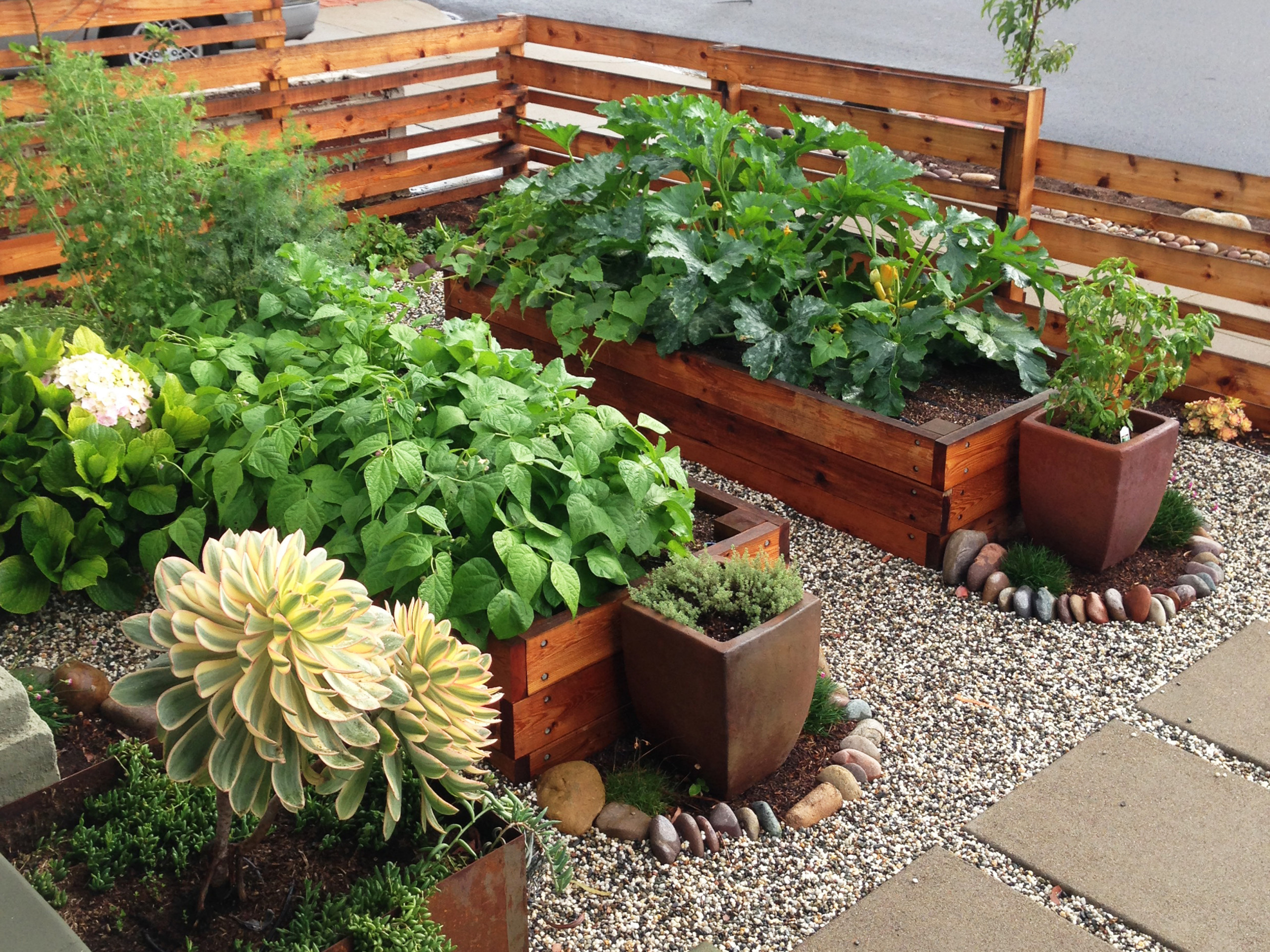
Decking up the front lawn enhances your home’s outer appearance. We say, “First lawn impression is the last impression.” The green lawns, undoubtedly, are a treat to the eyes. But how overly exciting it is to have a vegetable bed raised in that lawn? Or, what if you already have boarded the veggie train of thoughts about lawn care and still need a push? If you think on the same lines, read on.
Factors to Consider
Here are some green flags to have before you decide to amp up your green veggie bed:
- The HOA checks: Most of the HOA bylaws approve of the vegetable gardens but make sure you double-check with them. Having a green pass from the HOA would ease the job.
- Dig checks: While setting up in-ground planting for the first time, examine if there aren’t any underground gas pipes hindering your process. It is wiser to dig up to the height you would require. If you are not sure of this on your own, contact a lawn treatment franchise.
- Light: Check whether a burst of bright sunshine strikes your lawn or not. The vegetables like tomatoes and cucumbers require at least 10 hours of sunlight every day to grow well. How would it be to have a lawn without tomatoes and cucumbers, eh?
- Determination scale: Maintaining vegetable lawns is quite a task, and unless you follow stick-to-itiveness, you won’t be able to pull off well.
- Tree services: Apart from these, you should hire a stump grinding service to free up space for a flower or vegetable garden.
Let’s get to the tips and tricks now and bring you closer to your dream growth results.
- Choose the Batch Wisely
With so many options to choose from, indecisiveness is bound to follow. Generally, for average-sized lawns, it is advisable to not opt for winter squash which gives 10–20-foot vines.
Go for crops such as cherry-style tomatoes and others that would take up less space and offer more results. Do check out Vegetable Encyclopedia to decide for options that would go with your front lawn space.
- Cut the Unhealthy Plants
Sparing the unhealthy lot can do more harm than good for your vegetable growth as well as the beauty of the lawn. Do you see a thin white fungal coating growing? That’s mildew. It stagnates the growth of the plant and rotten the existing fruits, if any. To prevent powdery mildew in the first place, you must maintain a good distance between the plants and use organic fungicides. And, in case the matter slips out of your hand, pull the plant and add it to the compost heap.
Furthermore, flea beetles attack vegetable crops like cabbages, broccoli, and turnips along with nightshades such as tomatoes, usually in the early planting season. You can try white sticky traps to capture them jumping flea beetles. Or, you can try sprinkling plain talcum powder to repel the flea beetles.
- Cover the Bald Spots
Now that you see a bald spot after pulling that ugly mildew, you must cover it. Put a container with an edible plant over it. These plants can cover the space and prevent the further growth of any unhealthy elements. Sweet potatoes in a bushel basket and parsley in a terracotta pot are options you can consider.
- Be Prepared for the Four Seasons
If you live in California or Florida, you would see more sunlight than expected. And that’s a pretty good sign for your raised veggie beds. However, in other states, the onset of winters can kill the crops. Therefore, location is a prime factor.
Keep your celery, parsley, and chard batch ready so that you don’t have to have trouble sweeping off the dead plants in winter. You cannot escape the snow, but you can certainly escape the trouble.
- Set Up Water Access Nearby
Ideally, this point should have been on the green flags list, but it deserves to be here as a factor for growth. To avoid navigating the hose every single time to your lawn, you can dig a new point for water access near the vegetable beds. This can work wonders for the crops for a breed as lazy as humans.
Final Thoughts
While these may be general tips on achieving crop growth, this isn’t an end to it. If you are new to the field and probably aren’t aware of the plant business, it is better to consult the lawn care service nearby as they can manage the overall maintenance of the crops. Obviously, every field has its own set of experts doing the job. Nevertheless, a solidified self-determination mixed with some expert assistance is what you should strive for.
