

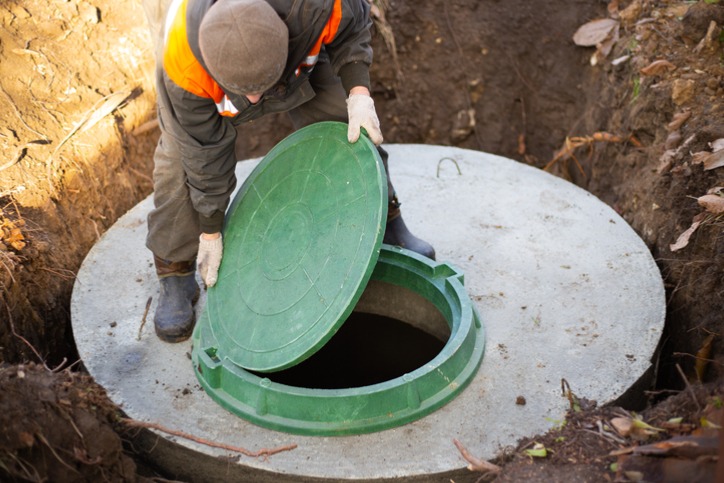
Choosing the right septic system design is crucial for maintaining an efficient and environmentally friendly wastewater treatment solution. Whether you’re installing a new system or upgrading an existing one, several factors must be considered to ensure the system meets your property’s needs and complies with local regulations.
For expert guidance and professional installation, Ibex Septic system design offers tailored solutions to fit a variety of property sizes and soil conditions.
Key Factors to Consider When Choosing a Septic System Design
1. Property Size and Layout
The size and layout of your property play a significant role in determining the type of septic system suitable for your needs. Larger properties with ample open space can accommodate traditional systems, while smaller or sloped properties may require specialized designs.
Considerations:
- Available space for the septic tank and drain field.
- Proximity to buildings, water bodies, and property lines.
- Future landscaping or development plans.
2. Soil Type and Percolation Rate
Soil composition directly affects how well wastewater is absorbed and treated in the drain field. Conducting a percolation test (perc test) helps determine the soil’s drainage capacity and suitability for different septic system types.
Common soil types and their impact:
- Sandy Soil: Excellent drainage, ideal for conventional systems.
- Clay Soil: Poor drainage, may require engineered solutions such as mound systems.
- Loamy Soil: Well-balanced, often suitable for various system designs.
3. Water Table Level
The depth of the groundwater table is a critical factor in septic system design. A high water table can pose challenges for wastewater absorption and may require alternative solutions to prevent contamination.
Solutions for high water table areas:
- Elevated mound systems.
- Advanced treatment units with enhanced filtration.
- Chamber systems that optimize absorption efficiency.
4. Household Size and Water Usage
The number of occupants in a household directly impacts wastewater production. Septic system designs must accommodate daily water usage to prevent overloading and ensure efficient operation.
Key factors to assess:
- Number of bedrooms and bathrooms in the home.
- Average daily water consumption.
- Future expansion or increase in occupancy.
5. Local Regulations and Environmental Considerations
Septic systems must comply with local health department regulations and environmental guidelines to protect groundwater and public health. Understanding the permitting process and compliance requirements is essential before installation.
Key compliance factors:
- Setback distances from wells and water bodies.
- Approved septic system types for the area.
- Maintenance and inspection requirements.
Common Types of Septic System Designs
Depending on your property conditions and local regulations, the following septic system designs may be suitable:
1. Conventional Septic System
A standard system with a septic tank and drain field, commonly used for properties with good soil drainage.
Best for: Properties with ample space and permeable soil.
2. Chamber System
A more efficient alternative to traditional gravel drain fields, using plastic chambers to distribute wastewater.
Best for: Areas with variable soil conditions or space constraints.
3. Mound System
Used in areas with high water tables or poor soil drainage, this system raises the drain field above ground level.
Best for: Properties with limited soil absorption capabilities.
4. Aerobic Treatment Unit (ATU)
A more advanced system that uses oxygen to break down waste faster and more efficiently.
Best for: Environmentally sensitive areas or properties with space limitations.
5. Drip Distribution System
A low-pressure system that delivers treated wastewater through a network of pipes.
Best for: Properties with uneven terrain and limited drain field space.
Steps to Choosing the Right Septic System
- Conduct a Site Evaluation: Work with professionals to assess soil, water table, and space availability.
- Determine Household Needs: Consider current and future water usage.
- Understand Local Requirements: Research zoning laws and permit regulations.
- Choose the Appropriate System Type: Based on expert recommendations and site conditions.
- Plan for Maintenance: Ensure regular inspections and pumping schedules are considered in your decision.
Benefits of a Well-Designed Septic System
Investing in the right septic system design offers numerous advantages, including:
- Efficient Wastewater Management: Ensuring safe disposal of household waste.
- Long-Term Cost Savings: Reducing the risk of system failures and expensive repairs.
- Environmental Protection: Preventing contamination of soil and water sources.
- Increased Property Value: A well-maintained septic system adds value to the home.
Why Choose Ibex Septic System Design Services?
Choosing the right contractor is just as important as selecting the right system. Ibex Septic system design offers:
- Expertise in various septic system designs and installations.
- Compliance with all local health and environmental regulations.
- Custom solutions tailored to your property’s unique needs.
- Ongoing maintenance and support for long-term performance.
Conclusion
Selecting the right septic system design is essential for efficient wastewater management and long-term property health. By considering factors such as property size, soil type, water usage, and regulatory requirements, homeowners can make informed decisions that align with their needs. With expert services from Ibex Septic system design, you can ensure a customized, compliant, and effective solution for your property.
