

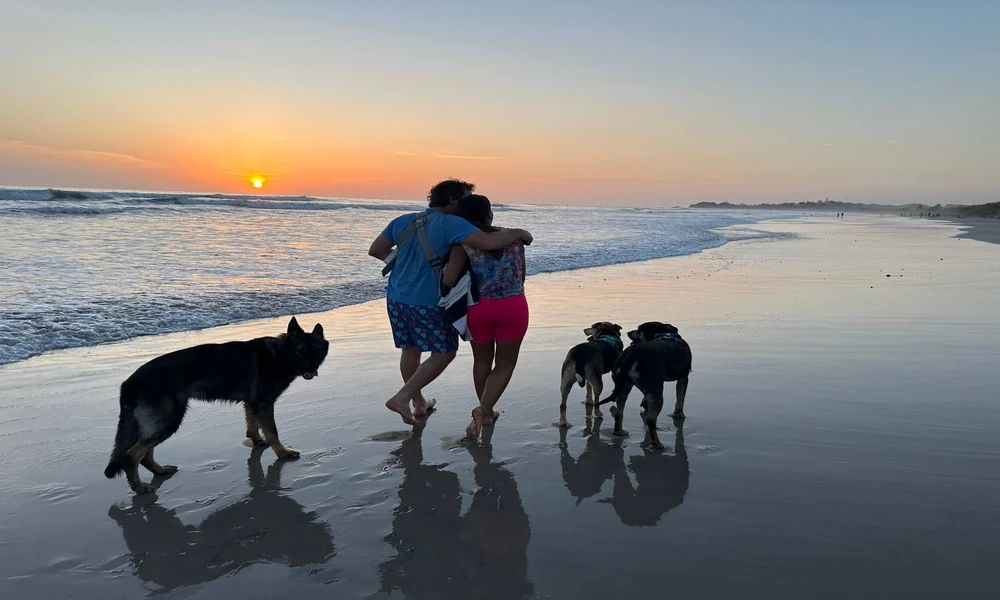
A personal protection dog should make your daily life easier, not harder. When looking at protection dogs for sale, it is important to choose a dog that is not only trained to protect but also able to fit into your normal routine. A well-trained protection dog can stay calm at home, join you on errands, travel with you, and follow commands in different places. With the right training and care, you do not have to completely change your lifestyle just because you have a protection dog.
For first-time owners, it is normal to have questions about what living with a protection dog is really like. You may wonder how much exercise the dog needs, how long it can stay in a crate, what food it should eat, and whether you can bring it with you when you leave the house.
The goal of proper training is to help the dog become a reliable part of your everyday life. Instead of making your schedule revolve around the dog, good obedience training helps the dog understand how to behave around you and your family.
Living With a Protection Dog Every Day
Exercise and Daily Activity
Protection dogs need regular exercise just like other dogs. Physical activity helps them stay healthy, maintain a good weight, and enjoy their time with their owners. Mental stimulation is also important because dogs need more than just physical activity to stay happy and engaged.
However, exercise should not be the only way to keep a protection dog calm. A properly trained dog should be able to settle down and follow commands even when it has not recently had a long walk or intense workout.
Belgian Malinois and German Shepherds, for example, are active breeds that can enjoy walks, play, training sessions, and other activities. At the same time, good obedience training teaches them when it is time to be active and when it is time to stay calm.
This can be especially useful when you are at home. A well-trained protection dog should know how to remain quiet and settled indoors. This means you can spend time working, watching television, eating, or relaxing without constantly having to entertain your dog.
Exercise should be part of the dog’s routine, but it should not control your entire day. The right balance allows your dog to stay healthy while still being able to perform its role when needed.
Crate Training and Home Life
Crate training can also be useful when introducing a protection dog to a new home. A crate should not be used as a punishment. Instead, it can give the dog a safe and comfortable place to rest while it gets used to its new surroundings.
During the first few weeks, owners may use the crate more often as part of the dog’s adjustment period. This can help establish boundaries and give the dog time to understand the new home and its routine.
The crate should not become a place where the dog spends most of its life. Once the dog becomes comfortable and understands the rules of the home, many owners may find that they no longer need to use the crate regularly.
The amount of time a dog can safely spend in a crate depends on factors such as age, training, health, and individual needs. Owners should make sure the dog gets enough opportunities for exercise, bathroom breaks, interaction, and rest outside the crate.
Feeding and Nutrition
Good nutrition is another important part of caring for a protection dog. A dog that works and trains regularly needs a balanced diet that supports its health, energy, and overall condition.
There are several types of dog food available. Dry kibble is one common option because it is easy to store, simple to serve, and convenient for people who travel often. Many dogs do well on a quality commercial diet when it meets their nutritional needs.
Some owners choose raw food diets. These can include prepared raw meals or different types of raw meat. However, creating a complete raw diet requires careful planning. The food needs the right balance of meat, bone, organs, and other nutrients.
For this reason, owners who want to use a raw diet should speak with a veterinarian or qualified animal nutrition professional. The right diet can depend on the dog’s age, size, activity level, health, and other needs.
Freeze-dried and dehydrated food are also options for owners who want something different from traditional kibble. Whatever type of food you choose, the main goal should be providing a complete and balanced diet that supports your dog’s long-term health.
Taking Your Protection Dog With You
Running Errands With Your Dog
One of the benefits of having a well-trained protection dog is being able to spend more time together outside the home. Depending on local rules and the policies of each business, your dog may be able to accompany you to certain places.
A protection dog that has strong obedience training can learn how to walk calmly beside its owner and remain under control in different settings. This can make everyday trips easier because the dog understands how to behave around people, vehicles, noise, and other distractions.
Some owners may want their dog with them when visiting places such as stores, banks, or other locations where dogs are allowed. Before bringing your dog into any public place, always check the local laws and the business’s rules.
A calm and controlled dog can also make a strong impression. Good obedience helps show that the dog is under its owner’s control rather than acting on its own.
Traveling With a Protection Dog
A protection dog can also become a trusted travel companion. Whether you are taking a road trip, staying at a hotel, or traveling to a new area, having a familiar dog with you can make the experience more comfortable.
Protection dogs are trained to stay aware of their surroundings while remaining under their owner’s control. Proper socialization can also help them handle new places, sounds, people, and situations without becoming overly nervous or difficult to manage.
Traveling with a dog does require planning. Owners need to consider transportation rules, hotel policies, local laws, vaccination requirements, and other regulations before taking their dog on a trip.
Air travel can require additional planning because airlines have their own rules for transporting dogs. Owners should check the current requirements before making travel arrangements.
For car trips, the dog should also be transported safely. A proper restraint or travel setup can help prevent injuries and keep both the dog and passengers safe.
Beyond security, a protection dog can simply provide companionship. Work trips and long journeys can sometimes feel lonely, and having a trained dog nearby can provide a sense of familiarity and comfort.
Training and Responsible Ownership
Owning a protection dog comes with responsibility. A protection dog is not simply a pet that has been taught to react to threats. It needs strong obedience, proper socialization, and clear direction from its owner.
This is one reason some people choose a fully trained protection dog instead of trying to train one themselves. Training a protection dog requires time, knowledge, patience, and careful handling. Professional training can help establish the dog’s obedience and behavior before it enters a new home.
The dog’s training should also match the owner’s lifestyle. A person who travels often may have different needs from someone who spends most of their time at home. The dog’s daily routine, obedience, social behavior, and travel habits should be considered during the training process.
Owners also need to continue practicing the dog’s commands after bringing it home. Even a highly trained dog benefits from regular practice. Consistent handling helps the dog understand that the same rules apply in different situations.
Most importantly, owners should understand that a protection dog is still a living animal with its own needs. It needs food, exercise, veterinary care, rest, attention, and a safe home. Protection training does not replace normal care and responsible ownership.
Making Protection Part of Your Routine
The best protection setup is one that you can realistically maintain every day. If caring for a protection dog makes your normal routine too difficult, it may become harder to maintain the habits needed for responsible ownership.
A well-trained dog can become part of your regular schedule rather than something that constantly gets in the way. It can relax at home, walk with you, travel with you, and follow commands in different environments.
The key is choosing a dog that matches your needs and making sure its training supports the way you actually live. When training, care, and daily routines work together, a protection dog can provide both companionship and an added level of security.
Conclusion
A personal protection dog can fit into many different lifestyles when it receives proper training and care. Regular exercise, good nutrition, obedience, socialization, and responsible handling all help the dog become a calm and reliable companion.
You do not need to spend every hour of the day exercising your dog or completely change your schedule. With the right training, a protection dog can learn when it is time to be active and when it is time to settle down.
From staying calmly at home to joining you on approved errands and trips, a well-trained protection dog can become part of your everyday routine. The most important step is choosing a dog and training program that match your lifestyle, responsibilities, and expectations.
