

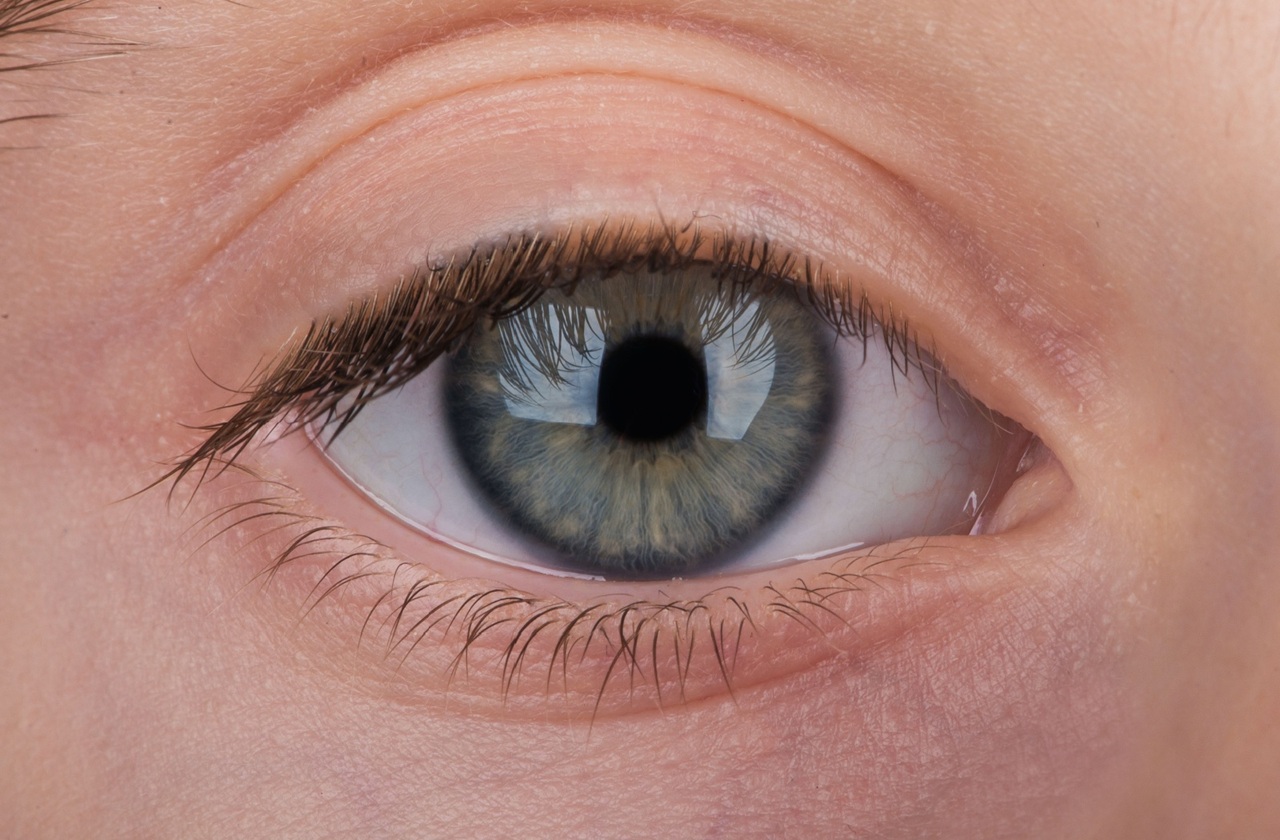
Tear production involves complex biochemical processes that depend heavily on omega-3 fatty acids for optimal function and quality. The tear film consists of multiple layers that require specific fatty acid compositions to maintain stability, lubrication, and protective properties throughout daily eye use. Omega-3 deficiency can lead to tear film instability, increased evaporation rates, and associated comfort issues that affect vision quality and eye health. The specialized glands responsible for tear production contain high omega-3 fatty acids that support their secretory functions. The formulation of macuhealth omega 3 helps nourish the eye’s structural components, improving resilience to daily strain and supporting natural protective mechanisms for visual wellness.
Meibomian gland optimization
Meibomian glands produce the oil layer of tears, preventing rapid evaporation and maintaining tear film stability across the eye surface. These glands require omega-3 fatty acids to produce high-quality oils with appropriate viscosity and composition for practical tear film function. Gland dysfunction often results from inadequate omega-3 availability, leading to thickened secretions that cannot flow properly onto the eye surface. This dysfunction creates unstable tear films that evaporate quickly, causing discomfort and visual disturbances that interfere with daily activities.
Aqueous layer enhancement
The aqueous layer forms the main body of the tear film and contains dissolved proteins, electrolytes, and other components that provide lubrication and antimicrobial protection. Omega-3 fatty acids influence the composition and quality of this aqueous layer through their effects on lacrimal gland function. Proper omega-3 levels support the production of tear proteins that maintain appropriate viscosity and antimicrobial properties. These proteins help create a smooth, stable tear surface that provides optimal optical clarity while protecting against bacterial contamination and environmental irritants.
Inflammatory balance control
Omega-3 fatty acids are crucial in regulating inflammatory processes within tear-producing glands and the eye surface, preventing chronic inflammation that could disrupt normal tear production and quality.
- Anti-inflammatory mediator production increases when adequate omega-3 levels provide precursors for molecules that resolve inflammatory processes naturally
- Prostaglandin balance improves through omega-3 influence on enzymatic pathways that control inflammatory cascade activation and resolution
- Cytokine regulation helps maintain appropriate immune responses within the tear glands while preventing excessive inflammatory reactions
- Complement system modulation ensures proper immune function without inflammatory damage to tear-producing structures
- Oxidative stress reduction occurs through omega-3 support of antioxidant systems that protect gland cells from free radical damage
These inflammatory control mechanisms ensure that tear production remains consistent and high-quality even when the eye surface encounters irritants or stress factors that might otherwise trigger inflammatory responses.
Hormonal interaction systems
Hormonal influences on tear production involve complex interactions between systemic hormones and local tissue responses that depend on omega-3 fatty acids for proper function and sensitivity.
- Estrogen receptor function within tear glands requires omega-3 support for proper hormonal response and secretory activity regulation
- Androgen influence on meibomian gland function depends on adequate fatty acid availability for optimal hormone-tissue interactions
- Thyroid hormone effects on tear production involve omega-3-dependent pathways that regulate glandular metabolism and secretory capacity
- Growth hormone interactions with tear-producing tissues require omega-3 support for proper cellular response and gland maintenance
- Cortisol effects on tear production involve omega-3-mediated pathways that help balance stress-related changes in glandular function
These hormonal interactions become particularly important during life stages when hormonal changes naturally occur, such as menopause or ageing, when tear production may depend more on optimal omega-3 status for maintaining adequate quantity and quality.
