

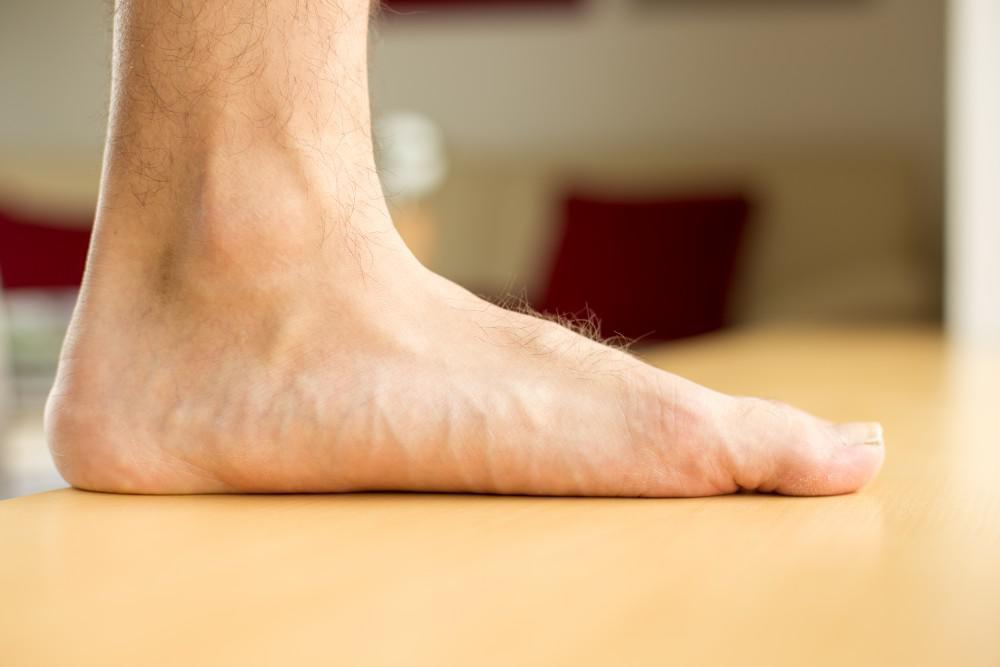
When you search the internet for information about your feet shape or type, you often find articles about your ancestry or personality. The shape of your feet can supposedly tell where your bloodline has originated, or why your personality is a certain why. But science debunks these all. Your feet shape has nothing to do with neither your ancestry nor personality. Instead, they simply influence the way you move.
And contrary to what misleading articles claim, the shape of your foot isn’t determined by your toes. Rather, it’s by their arches. It’s why some people are called flat-footed and others aren’t.
Knowing the height of your arch is important when finding out the conditions you may experience because of it. It also helps you find the right type of shoes to wear. While most shoes look the same, as if they’re designed for a single shape of feet only, some brands, including the well-known Altra shoes, can offer running shoes with more support for certain feet shapes.
That said, does it mean the shape of your feet determines your risk for pain or injury?
The Different Foot Arches
Your feet have three arches, which are:
The medial longitudinal arch — starts at the end of your heel, runs across the center of your feet, and ends at the balls.
The lateral longitudinal arch — skirts along the outside of your foot, and;
The anterior transverse — also runs across your feet, but from side to side.
The three arches’ role is to help your feet absorb shock and allow them to adapt to the ground you’re walking on. They’re the reason you can stay upright even on rocky terrains or loose sands.
What’s a Flat Foot?
If you often feel pain in your feet after walking long distances, you’ve probably heard comments that you might be flat-footed. Indeed, a common symptom of flat feet is pain. Your feet may also feel stiff or apply weight on footwear unevenly. You may notice the latter when one shoe looks more caved in than its pair.
To confirm if you have flat feet, wet your soles and then step on a piece of cardboard or any thick paper. If you have a flat fleet, the entire bottom of your feet should show up on the print.
Being flat-footed means you have very low or flat arches. If your footprint partially shows the middle section of your foot, you likely have medium arches, which are more common. Your arches are very high if your footprint only shows your toes, heels, and the balls of your feet.
Genetic factors influence the height of your arch, so flat feet don’t necessarily indicate a health condition. However, injury, arthritis or rheumatoid arthritis, a condition in the posterior tibial tendon, or muscle diseases can also cause flat feet, so it’s possible to require therapy to ease the pain in your flat feet. Increases in body weight, such as when you’re obese or pregnant, can also flatten your arches.
Relation of Feet Shape and Injuries
Your feet perform two motions, namely pronation, and supination. Pronotion is an inward roll, or basically the movement your foot makes when you take a step forward. Supination is the opposite, so it’s the movement of your foot when you lean slightly backward to gain momentum for stepping forward.
Low arches or flat feet commonly cause overpronation, while high arches often cause oversupination. If your arches are too high, your toes may bear most of the pressure when you pronate. A 1994 study actually found that runners with high arches absorb shock poorly compared to runners with lower arches. This makes them more prone to ankle injuries, iliotibial band, or Achilles tendons. The extra pressure on their feet may also cause plantar fasciitis or pain at the bottom of the heel.
Flat-footed people, on the other hand, may have a higher risk for bunions, hammer toes, and also plantar fasciitis. Medium-arched people are the luckiest, as their feet shape provides the healthiest balance for their weight and gait.
Choosing the Right Footwear to Avoid Injuries
Most of us choose footwear based on our size. But that’s not the best way to ensure that you’ll get comfortable footwear. Instead, you have to consider if your feet can have enough room to “breathe”, so you can’t choose a pair that fits tightly. You have to leave a 1/2 inch allowance at the front, and a 1/8 inch allowance at the back. Wear the appropriate socks or hoisery as well.
Wearing shoes with the right fit and enough cushioning will protect your feet from injuries. Whatever the height of your arch is, you can feel more assured that your feet will stay pain-free because your footwear keeps them safe.
Meta title: Does the Shape of Your Feet Determine Your Risk for Injury?
meta desc: When you often feel pain in your feet after walking long distances, some people may say that it’s because you’re flat-footed. Does that mean foot shape determines your risk for pain and injury?
