


It is easy to overlook your feet until problems arise. Nevertheless, paying attention to symptoms and changes early provides you with the best chance to reverse issues and prevent lasting damage. Understanding warning signs empowers you to search out appropriate podiatry care right away. Do not ignore the following key signs that something may be amiss with your feet.
Pain
More than ordinary soreness after long periods on your feet, unexplained pain warrants attention. Severe foot pain often indicates an underlying condition needing diagnosis and treatment like arthritis, nerve damage, fractures, sprains or plantar fasciitis. Note location, movements triggering pain and rating on a scale of 1-10 to best discuss with your podiatrist.
Numbness and Tingling
Ongoing numb, tingly feet often result from nerve compression or damage. Diabetes and vitamin deficiencies commonly underlie these neurological symptoms affecting feet. Numb areas also pose injury risks if you unknowingly subject feet to excessive, unnoticed pressures and trauma.
Changes in Foot Structure and Toes
Foot structure changes like flattening arches, slanting ankles or crooked, disjointed toes happen gradually over time. Catching these shifted alignments early provides the best window to attempt realignment through conservative treatments like orthotics before surgery becomes necessary.
Skin Changes
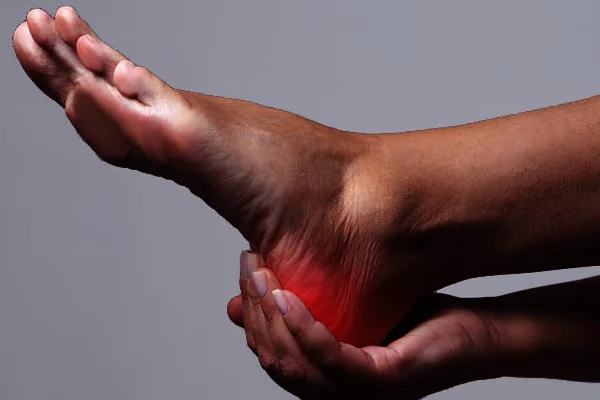
Dry, cracked skin prone to bleeding puts you at acute infection risk if bacteria penetrate deep wounds and spreads internally. Redness, swelling, peeling skin, cysts, corns, calluses and discolored areas also need quick diagnosis and care to avoid deterioration and deeper complications.
Poor Circulation Symptoms
Cold feet, blue or purple toes, leg heaviness and slow healing cuts or sores signify circulatory deficits limiting blood flow to extremities. Various vascular diseases underlie poor peripheral circulation, making swift vascular assessment and intervention crucial.
Weakness and Instability
Buckling ankles, compromised balance and gait abnormalities point to weak or damaged tissues unable to adequately stabilize and support feet. Sprained ligaments and tendons or muscular conditions often produce these movement impairments.
Foot Odor and Sweatiness
While sweaty, smelly feet are common, especially with closed shoes and socks, drastic sudden increases in foot perspiration hints at infection or inflammatory conditions requiring treatment.
Nail Problems
Ingrown toenails, fungal infections, oddly misshapen or discolored nails should not be overlooked either. Seemingly minor nail conditions can lead to painful complications without proper podiatric care.
Unexplained Limping
Limping or heavily favoring one foot indicates injury, inflammation, or asymmetry issues in gait mechanics. Determine the underlying joint or muscular/structural problem early to prevent worsening displacement and pain.
Prolonged Swelling
Occasional foot swelling after long periods upright or high-impact exercise is normal, receding with some rest. However, swelling persisting for over 2 days or pooling fluid warrants medical evaluation for potential blood clots, blockages, injuries or other problems.
Claudication Pain
Pain cramping calf muscles and feet while walking that disappears quickly with rest typifies vascular disease impeding blood flow. Left untreated, this lack of circulation progresses to threaten limbs.
Podiatric Care for Your Feet
The American Podiatric Medical Association provides foot health resources while podiatry clinics across America specialize in surgical and non-invasive treatments for the entire spectrum of foot conditions. Look for professional podiatry care if you notice the above signs instead of waiting for problems to worsen or self-treating unidentified conditions. Early diagnosis and treatment remains key to reversing issues and restoring foot function, according to the experts at Beyond Podiatry.
Conclusion
Foot problems do not improve on their own without diagnosis and care. Recognizing the early warning signs provides the window of opportunity to correct emerging issues before permanent damage sets in. Paying attention to foot health safeguards mobility and wellbeing.
